Trending

A tin of first-flush Darjeeling and a bag of supermarket Assam can look much the same on a shelf. What separates them is time: the hours and weeks between the garden, the packing table and your kettle. Where that tea travels from changes the answer, but not always in the direction you would guess.
Tea begins fading the moment it meets air, light, heat and moisture. The clock, though, does not start when the parcel leaves the warehouse. It starts at harvest and processing.
That distinction matters. A tea that sat for eight months in a distributor's stockroom before a two-day local courier run is not fresher than a tea packed last week and shipped across three states. When you compare local delivery with national shipping, you are really comparing the whole timeline, not the last leg.
There is a second wrinkle. Not every tea wants to be rushed. Roasted oolongs, many pu'er styles and some black teas settle and improve with a few weeks or months of rest. For those, a slightly slower journey is not a problem. For green tea, white tea and lightly oxidised oolong, it very much is.
A local order typically crosses one metro area. In practice that means one or two days, sometimes the same afternoon if the shop runs its own couriers or you collect in person.
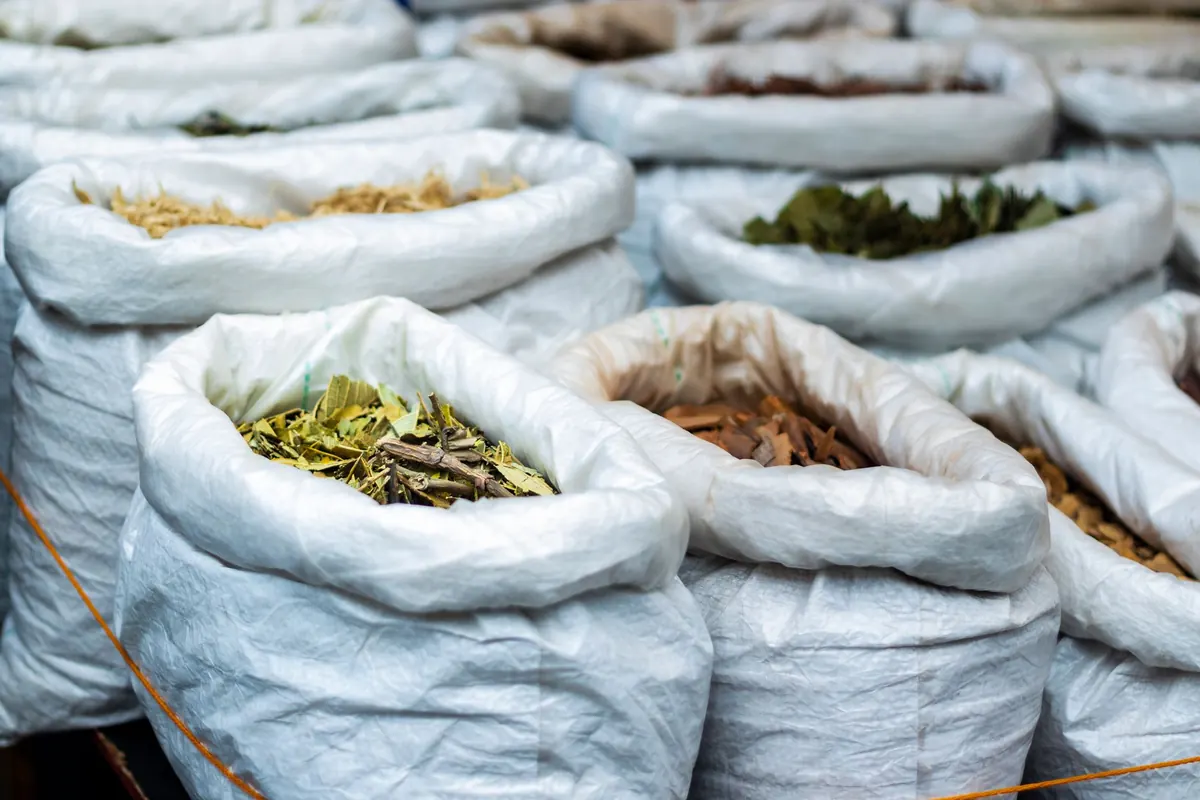
The catch is stock rotation. A neighbourhood shop with slow turnover may be selling you tea that has been open in a bin since spring. Distance is not the risk here; sitting still is.
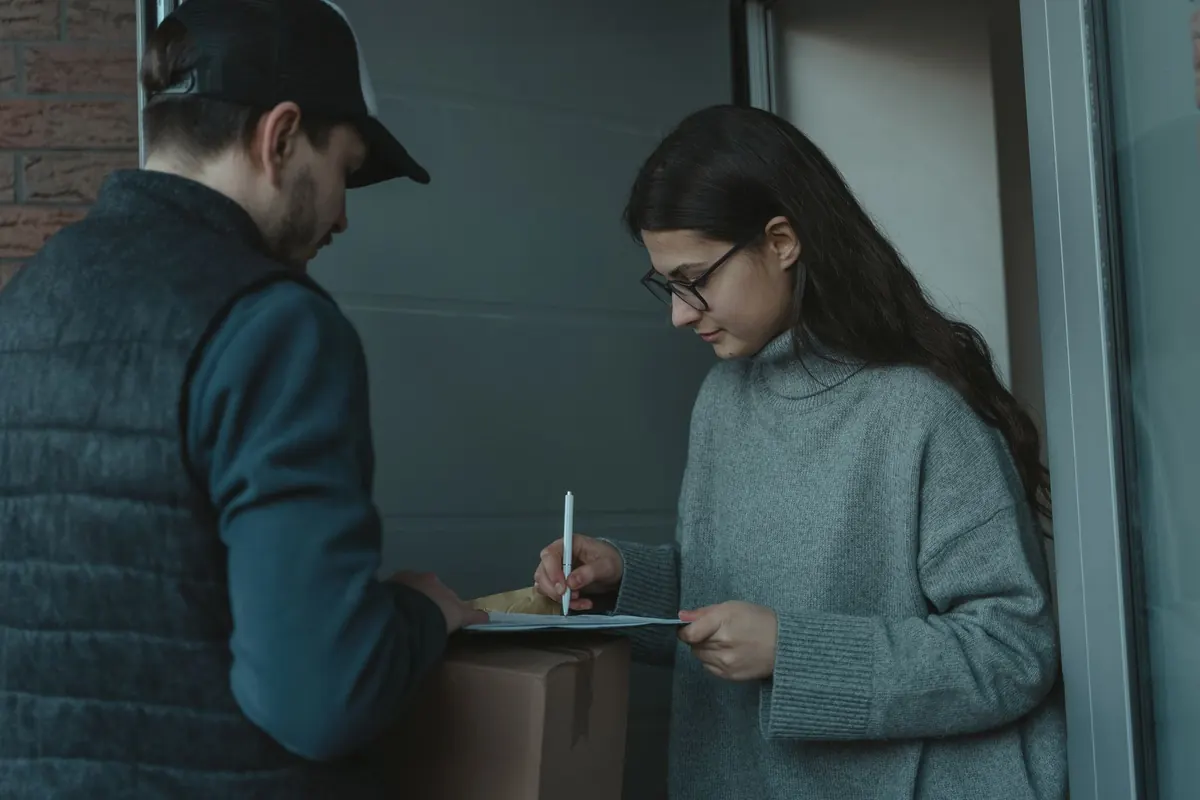
Domestic shipping usually runs two to five days, with the parcel passing through trucks, sorting centres and occasionally a plane. Packaging protects the leaf, but nothing protects it from a hot delivery van in July.
So why do national sellers often win on freshness? Turnover. A large online vendor may sell through a harvest in weeks, so the tea in your box could be younger by date than what sits in a local bin — even after a four-day trip. Many of them also seal at the source, sometimes with an oxygen absorber or a nitrogen flush, which slows the fade considerably.
The trade-off is that you cannot see, smell or sample before buying, and you are trusting a description instead of your own nose.
This is where a good local shop and a careless national vendor can swap places entirely. Packaging decides how much of that transit time actually costs you flavour.
If a local shop hands you loose leaf in a paper bag, that is charming but short-lived — transfer it to an airtight tin the day you get home.
Local buying usually means no shipping fee, but a higher per-gram price and sales tax. National buying flips that: lower list prices, plus a shipping charge that vanishes once you cross a free-shipping threshold.
That threshold is the trap. If you only drink two cups a day, spending extra to reach free shipping can leave you with a cupboard of tea that fades before you reach it. The cheaper order is the one you actually finish. Factor in your real drinking rate before you compare totals, and remember that a same-day courier run costs more than a standard postal service — that convenience is part of the price.
A single-origin Taiwanese oolong, a specific Japanese sencha, a first-flush Darjeeling from a named garden — most local shops simply cannot stock everything. National sellers can, and often hold stock from several harvests so you can compare.
If your taste runs narrow and specific, shipping is not a compromise; it is the only route. If you drink a dependable everyday black or a popular jasmine, your local shop probably has it fresher than you expect.
Stop thinking of this as local versus national and start matching each purchase to what it needs.
Do those five things and the delivery method becomes a detail. The tea in your cup is what matters.
Photo: Tima Miroshnichenko / Pexels